


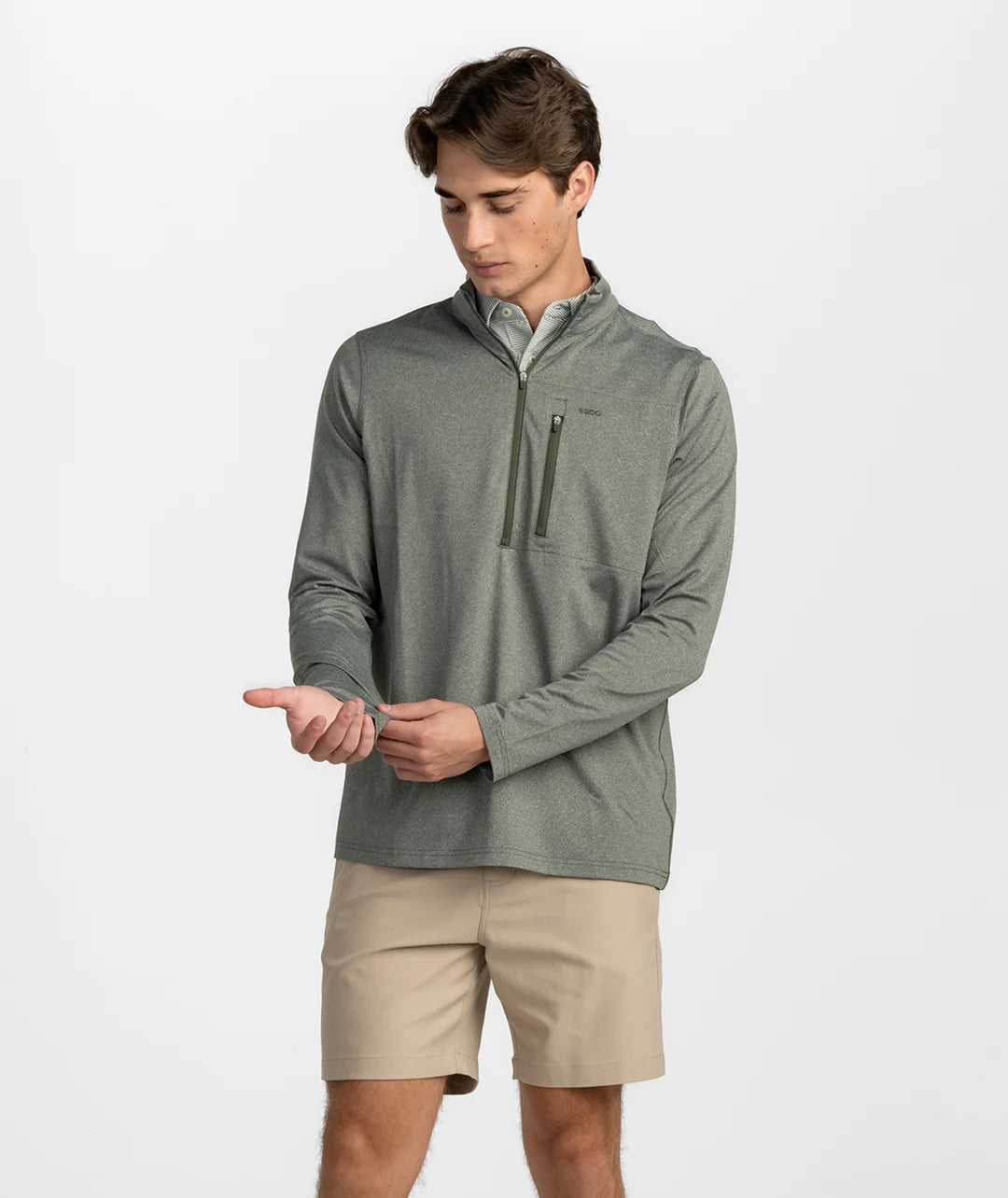
Choosing the right clothing is easier when the outfit is planned around the occasion, weather, movement, and personal style. This guide focuses on men’s outdoor clothing for weekend adventures and explains how to select useful pieces without making the wardrobe unnecessarily complicated. The goal is to build combinations that feel comfortable, look intentional, and remain useful beyond a single activity or season.
Build an Outdoor Wardrobe Around Versatility
Outdoor weekends often combine walking, travel, casual meals, and changing weather. A versatile wardrobe uses pieces that can move between activities without requiring a complete change. Start with breathable tops, flexible bottoms, and an adaptable outer layer. When planning around men’s outdoor clothing for weekend adventures, it helps to treat these details as parts of one outfit rather than isolated features. The goal is to choose clothing that supports the activity while still fitting naturally into the rest of the wardrobe. Start with the conditions you expect, then consider how the garment will feel after several hours of movement, sitting, or outdoor exposure. Color and silhouette should support the practical choice instead of creating a separate styling problem. These considerations also make the garment more reusable because the same piece can work with different layers, bottoms, and accessories. Finally, check the product details and care instructions before making a decision. This keeps expectations realistic and helps protect the fit, fabric, and appearance over time.
Choose Tops That Handle Activity
Performance polos, technical shirts, tees, and lightweight button downs can all serve different outdoor needs. Choose based on heat, movement, activity duration, and desired appearance. Breathability and moisture management can be valuable during sustained activity. When planning around men’s outdoor clothing for weekend adventures, it helps to treat these details as parts of one outfit rather than isolated features. The goal is to choose clothing that supports the activity while still fitting naturally into the rest of the wardrobe. Start with the conditions you expect, then consider how the garment will feel after several hours of movement, sitting, or outdoor exposure. Color and silhouette should support the practical choice instead of creating a separate styling problem. These considerations also make the garment more reusable because the same piece can work with different layers, bottoms, and accessories. Finally, check the product details and care instructions before making a decision. This keeps expectations realistic and helps protect the fit, fabric, and appearance over time. For more options, explore our men’s collection.
For a closer look at outdoor tops, read men’s outdoor shirts for fishing and hiking.
Pick Bottoms for Mobility
Outdoor bottoms should support walking, bending, climbing, and sitting. Hybrid shorts can work in warm weather, while lightweight pants add coverage in cooler conditions. A comfortable waistband and useful pockets can improve all-day wear. When planning around men’s outdoor clothing for weekend adventures, it helps to treat these details as parts of one outfit rather than isolated features. The goal is to choose clothing that supports the activity while still fitting naturally into the rest of the wardrobe. Start with the conditions you expect, then consider how the garment will feel after several hours of movement, sitting, or outdoor exposure. Color and silhouette should support the practical choice instead of creating a separate styling problem. These considerations also make the garment more reusable because the same piece can work with different layers, bottoms, and accessories. Finally, check the product details and care instructions before making a decision. This keeps expectations realistic and helps protect the fit, fabric, and appearance over time.
Layer for Temperature Changes
Morning and evening temperatures may differ significantly from afternoon conditions. A breathable base with a removable pullover, flannel, or jacket provides flexibility. Choose outer layers that work with several tops and bottoms. When planning around men’s outdoor clothing for weekend adventures, it helps to treat these details as parts of one outfit rather than isolated features. The goal is to choose clothing that supports the activity while still fitting naturally into the rest of the wardrobe. Start with the conditions you expect, then consider how the garment will feel after several hours of movement, sitting, or outdoor exposure. Color and silhouette should support the practical choice instead of creating a separate styling problem. These considerations also make the garment more reusable because the same piece can work with different layers, bottoms, and accessories. Finally, check the product details and care instructions before making a decision. This keeps expectations realistic and helps protect the fit, fabric, and appearance over time.
For an easy everyday layering option, explore how to style men’s henley shirts.
Choose Practical Colors
Neutral outdoor colors coordinate easily and can reduce the number of garments needed. Olive, navy, gray, brown, and muted blue can pair with many tops. Brighter colors can be added through one shirt or accessory for variety. When planning around men’s outdoor clothing for weekend adventures, it helps to treat these details as parts of one outfit rather than isolated features. The goal is to choose clothing that supports the activity while still fitting naturally into the rest of the wardrobe. Start with the conditions you expect, then consider how the garment will feel after several hours of movement, sitting, or outdoor exposure. Color and silhouette should support the practical choice instead of creating a separate styling problem. These considerations also make the garment more reusable because the same piece can work with different layers, bottoms, and accessories. Finally, check the product details and care instructions before making a decision. This keeps expectations realistic and helps protect the fit, fabric, and appearance over time. For more options, explore our men’s shorts.
Think About Sun and Weather
Outdoor clothing should be selected for the expected environment and activity level. Breathable fabrics can help in heat, while light layers can provide coverage when temperatures fall. Check product descriptions for any stated sun-protection or weather-related features. When planning around men’s outdoor clothing for weekend adventures, it helps to treat these details as parts of one outfit rather than isolated features. The goal is to choose clothing that supports the activity while still fitting naturally into the rest of the wardrobe. Start with the conditions you expect, then consider how the garment will feel after several hours of movement, sitting, or outdoor exposure. Color and silhouette should support the practical choice instead of creating a separate styling problem. These considerations also make the garment more reusable because the same piece can work with different layers, bottoms, and accessories. Finally, check the product details and care instructions before making a decision. This keeps expectations realistic and helps protect the fit, fabric, and appearance over time.
FAQs
What should I consider first when choosing men’s outdoor clothing for weekend adventures?
Start with the setting, weather, activity level, and fit. Then compare fabric, color, layering needs, and how often the item can be worn in other situations.
How should fit influence my choice?
Fit should allow comfortable movement while maintaining a clean silhouette. Check the shoulders, chest, waist, garment length, and how the item feels while sitting or moving.
Should I prioritize style or performance features?
Use both. Choose performance features that match your activity, then select a color, print, and silhouette that fit your personal style and the rest of your wardrobe.
How can I make this clothing more versatile?
Choose neutral supporting pieces, interchangeable layers, and colors that coordinate with items you already own. Versatility improves when one garment works in several settings.
How should I care for these garments?
Follow the care label for washing, drying, and storage. When the manufacturer recommends lower heat or specific washing conditions, follow those instructions to help preserve fit, color, and fabric performance.
Conclusion
The best approach to men’s outdoor clothing for weekend adventures is to build around practical needs first and then refine the look through fit, color, texture, and layering. A small group of versatile garments can create more useful outfits than a larger collection of single-purpose pieces. Consider the weather, activity, setting, and how each item works with clothing you already own. With thoughtful selection and proper care, the wardrobe can remain comfortable, functional, and easy to style across the situations it needs to cover.
Share:
How to Choose the Right Outdoor Shirt for Fishing, Hiking, and Travel
The Best Men’s Golf Shorts for Weekend Adventures